
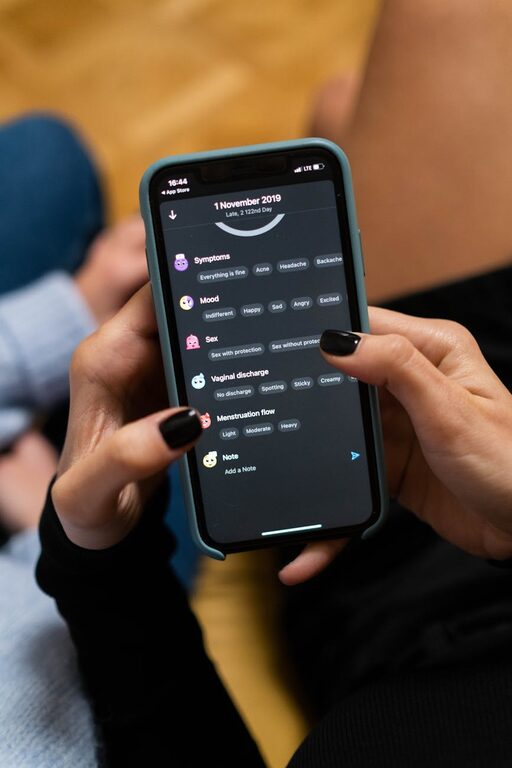
In today’s world, smartphones are an essential part of daily life. They keep us connected, informed, and entertained. However, excessive or mindless phone use can impact our mental health, sleep, and productivity. Maintaining healthy phone habits can improve your well-being and help you use technology in a balanced, more intentional way. This post explores simple strategies to develop and maintain better phone habits.
Why Healthy Phone Habits Matter
Before diving into tips, it’s important to understand why healthy phone habits are beneficial:
– Improved Focus: Reducing distractions from frequent phone checks helps you concentrate on work or personal projects.
– Better Sleep: Limiting screen time before bed supports healthier sleep patterns by reducing blue light exposure.
– Positive Mental Health: Controlling phone use can lower anxiety, stress, and feelings of social comparison.
– Enhanced Relationships: Being more present with family and friends strengthens your connections.
With these benefits in mind, here are practical ways to foster healthy phone habits.
Set Clear Phone Usage Goals
Start by defining how you want to use your phone. Setting goals creates awareness and purpose in your habits.
– Track Current Use: Use your phone’s built-in digital wellbeing features to monitor your daily screen time and app usage.
– Identify Problem Areas: Note which apps or times you use your phone the most, especially if it’s interfering with work or sleep.
– Set Limits: Determine reasonable daily limits for social media, games, or non-essential apps.
Having clear goals helps you stay mindful rather than scrolling unconsciously.
Create Tech-Free Zones and Times
Designate certain areas and times as phone-free to nurture better habits.
– No Phones at Meals: Keep mealtime distractions away to enjoy food and conversations fully.
– Bedroom Boundaries: Avoid using your phone in bed to improve sleep quality.
– Work or Study Sessions: Set specific time blocks for focused work without phone interruptions.
– Family Time: Agree on phone-free moments to focus on togetherness.
Physically separating yourself from your device supports healthier boundaries.
Change Notifications Settings
Notifications are designed to grab your attention but can quickly lead to distractions.
– Turn Off Non-Essential Alerts: Disable notifications for apps that don’t require immediate attention.
– Use Do Not Disturb Mode: Schedule quiet periods during meetings, work, or nighttime.
– Simplify Alerts: Opt for summary notifications instead of constant pings.
Managing notifications reduces interruptions and helps maintain focus.
Practice Mindful Phone Use
Being intentional about when and how you use your phone fosters healthier habits.
– Set Specific Times for Checking Your Phone: Instead of random checks, allocate set times to review messages or social media.
– Ask Yourself Why: Before opening an app, pause and consider your purpose.
– Avoid Multitasking with Your Phone: Give your full attention to conversations or tasks without your phone dividing your focus.
– Use Your Phone for Positive Activities: Engage with educational content, hobbies, or creative apps.
Mindful use helps transform your phone from a distraction into a helpful tool.
Use Technology to Your Advantage
Leverage built-in features and apps designed to support balanced phone habits.
– Screen Time or Digital Wellbeing Tools: Set app limits, monitor usage, and receive reminders to take breaks.
– Focus Mode or App Blockers: Temporarily disable distracting apps during work or rest periods.
– Grayscale Mode: Switching the screen to black and white can make your phone less appealing.
These tools provide structure and encouragement to stay within your usage goals.
Cultivate Offline Activities
Balancing screen time with offline interests encourages a healthier lifestyle.
– Spend Time Outdoors: Nature walks or exercise help reduce screen dependence.
– Read Printed Books or Magazines: Give your eyes a break from screens.
– Engage in Hobbies: Arts, crafts, cooking, or sports offer fulfilling alternatives.
– Socialize in Person: Meaningful face-to-face interactions can reduce the urge to check your phone.
Prioritizing offline activities enriches your life beyond the digital world.
Establish a Nighttime Routine Without Screens
To promote restful sleep, it’s important to wind down without phones.
– Create a Device Curfew: Put phones away at least 30–60 minutes before bed.
– Use a Traditional Alarm Clock: Avoid relying on your phone as an alarm.
– Practice Relaxation Techniques: Reading, meditation, or gentle stretches prepare your body and mind for sleep.
– Keep Your Phone Out of Reach: Charge it outside the bedroom or across the room.
These habits help prevent sleep disruption caused by screen light and notifications.
Seek Support and Accountability
Changing phone habits can be challenging, but support makes it easier.
– Share Your Goals: Tell friends or family about your intention to reduce phone time.
– Try Challenges: Participate in screen-free or social media detox challenges.
– Encourage Positive Phone Use: Discuss and share tips with your social circle.
– Use Group or Partner Motivation: Work together to stay accountable.
Having ongoing encouragement fosters lasting habits.
Conclusion
Phones bring many benefits but also have the potential to distract and overwhelm us. Maintaining healthy phone habits takes awareness, intention, and practice. By setting clear goals, managing notifications, creating phone-free zones, and cultivating offline activities, you can enjoy a balanced relationship with your device. Over time, these small changes improve your focus, sleep, mental health, and personal connections—leading to greater overall well-being.
Try incorporating one or two of these strategies today and notice how your relationship with your phone begins to change for the better. Remember, the goal is not to eliminate phone use but to make it a positive and mindful part of your life.