
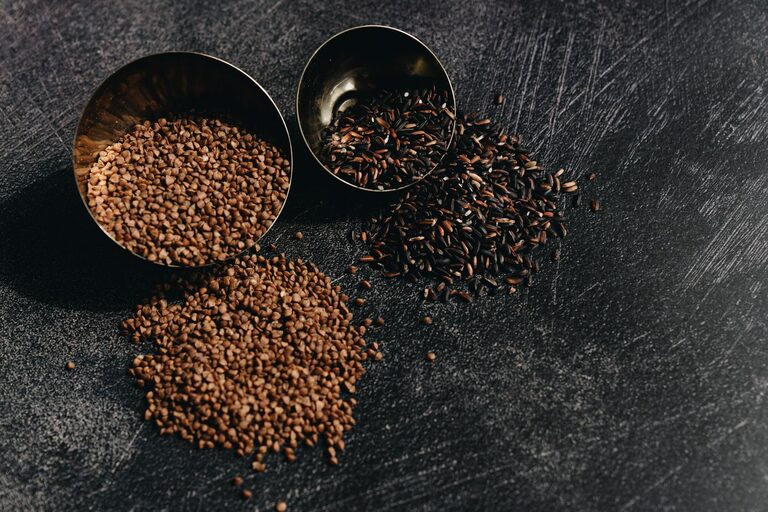
Planning meals from pantry staples is a practical way to keep your kitchen running smoothly, save money, and reduce food waste. Whether you’re facing a busy week or just want to make the most of what you already have, learning to create tasty dishes from your pantry essentials can be a game changer. This guide will help you understand how to organize your pantry, get creative with ingredients, and plan meals with confidence.
Why Plan Meals Around Pantry Staples?
Pantry staples are the foundation of many meals — items like canned beans, pasta, rice, spices, and dried herbs. When you build meals around these ingredients, you can:
– Save trips to the grocery store
– Avoid impulse purchases and reduce waste
– Create budget-friendly dishes
– Prep meals quickly on busy days
Step 1: Take Inventory of Your Pantry
Before you plan, it’s important to know exactly what you have. Set aside some time to:
– Pull everything out and check expiration dates
– Take note of quantities and varieties
– Group similar items together (grains, canned goods, spices)
Keeping a written or digital inventory helps you remember what’s on hand and prevents buying duplicates.
Step 2: Identify Your Core Staples
Most pantries benefit from having a core group of versatile staples. Here’s a list of common pantry essentials that work well for meal planning:
– Grains: rice, pasta, quinoa, couscous, oats
– Legumes: canned or dried beans, lentils, chickpeas
– Canned goods: tomatoes, coconut milk, broth, vegetables
– Baking basics: flour, sugar, baking powder, baking soda
– Oils and vinegars: olive oil, vegetable oil, apple cider vinegar
– Spices and herbs: salt, pepper, cumin, paprika, dried basil, oregano
– Condiments: mustard, soy sauce, hot sauce
Does your pantry cover most of these? If not, consider adding a few that suit your cooking style and preferences.
Step 3: Plan Meals by Combining Pantry Items
A great way to plan is by thinking of meals as combinations of a grain, a protein, and flavorings. Here are some examples:
Example Meal Ideas
– Pasta with tomato sauce and canned beans: Use pasta, canned tomatoes, garlic, and your choice of canned beans for protein.
– Rice bowl with lentils and spices: Cook rice and lentils separately, then season with cumin, chili powder, and olive oil.
– Chickpea stew: Simmer canned chickpeas with diced tomatoes, onions, garlic, and spices.
– Quinoa salad: Combine cooked quinoa with canned corn, beans, olive oil, and lemon juice.
Writing down meals like these in advance can make grocery shopping predictable and cooking easier.
Step 4: Mix Fresh and Pantry Ingredients
While pantry staples can form the base of many meals, pairing them with fresh items like veggies, herbs, or protein enhances flavor and nutrition. For example:
– Add fresh spinach or kale to a pasta dish
– Top your rice bowls with sliced avocado or a poached egg
– Toss quinoa with chopped cucumber and tomato for a refreshing salad
Buying a few fresh ingredients each week to complement your pantry staples can make meal planning more flexible.
Step 5: Use Recipes and Meal Planning Tools
If you’re unsure where to start, there are resources for meal ideas based on pantry staples:
– Recipe websites often have sections dedicated to pantry cooking.
– Apps and meal planners let you input what you have and suggest recipes.
– Cookbooks focused on simple or budget cooking include many pantry-friendly dishes.
Using these tools can inspire creativity and take the guesswork out of meal prep.
Step 6: Prep in Advance to Save Time
Once you’ve planned your meals, consider preparing components ahead:
– Cook large batches of grains or beans and store portions for the week.
– Chop veggies and store them in airtight containers.
– Make sauces or dressings in advance.
This prep saves time on busy days and encourages using pantry staples without hesitation.
Tips for Maintaining a Functional Pantry
To keep your pantry ready for meal planning:
– Regularly check for expired items.
– Rotate older products to the front.
– Replenish staples as they run out.
– Store items in clear, airtight containers to keep them fresh and visible.
A tidy and well-stocked pantry invites you to cook more and reduces mealtime stress.
Conclusion
Planning meals from pantry staples is a smart, efficient way to nourish yourself and your family. By organizing your pantry, selecting versatile core ingredients, and getting creative with recipes, you can enjoy tasty meals any day of the week. With a bit of planning and some simple strategies, your pantry can become the heart of your kitchen — making cooking easier, affordable, and enjoyable.
Remember, start small, use what you have, and gradually build habits that support stress-free meal planning and cooking. Happy cooking!